AppliedMathematics

Association for Women in Mathematics at the SIAM/CAIMS 2025 Annual Meeting

Association for Women in Mathematics at the SIAM/CAIMS 2025 Annual Meeting

by Jamie Haddock & Anna Little

Introduction to the Association for Women in Mathematics (AWM)

The Association for Women in Mathematics (AWM) is a nonprofit professional society, founded in 1971, whose mission is to create a community in which women and girls can thrive in their mathematical endeavors and to promote equitable opportunity and gender-inclusivity across the mathematical sciences. The AWM has around 4500 members. Over 3000 of its members are students, many of whom belong to one of the over 130 AWM Student Chapters at their home institutions.  AWM workshops at U.S. national meetings such as the Annual meeting of the Society for Industrial and Applied Mathematics (SIAM) and the Joint Mathematics Meetings are organized by one or more of  the 26 active AWM Research Networks (AWM-RNs). AWM-RNs are intentional communities of researchers working in a common subdiscipline of the mathematical sciences in which senior mathematicians lead projects and mentor graduate student and early-career mathematicians. The program’s goal is to foster long-term collaborations and knowledge sharing, with each cohort of mathematicians helping to anchor the next in a successful mathematical career. 

AWM at the Society for Industrial and Applied Mathematics / Canadian Applied and Industrial Mathematics Annual Meeting in 2025

The Society for Industrial and Applied Mathematics (SIAM) Annual Meeting was held in conjunction with the Canadian Applied and Industrial Mathematics (CAIMS) Society in Montréal, Québec, Canada from July 28–August 1, 2025. As part of this conference, AWM hosted a series of events during the two-day AWM Workshop held July 28–29.  

The 2025 AWM Workshop was organised by the Women in the Science of Data and Mathematics (WiSDM) Research Network. Researchers in this network are broadly interested in problems motivated by working with real world data.  Topics of particular interest recently have included variational and deep learning models for image processing and computer vision, randomized iterative methods for tensor decomposition and regression problems, applications of optimal transport within biological data, and robust manifold estimation. The WiSDM Research Network has held four research collaboration workshops biannually since 2017.  

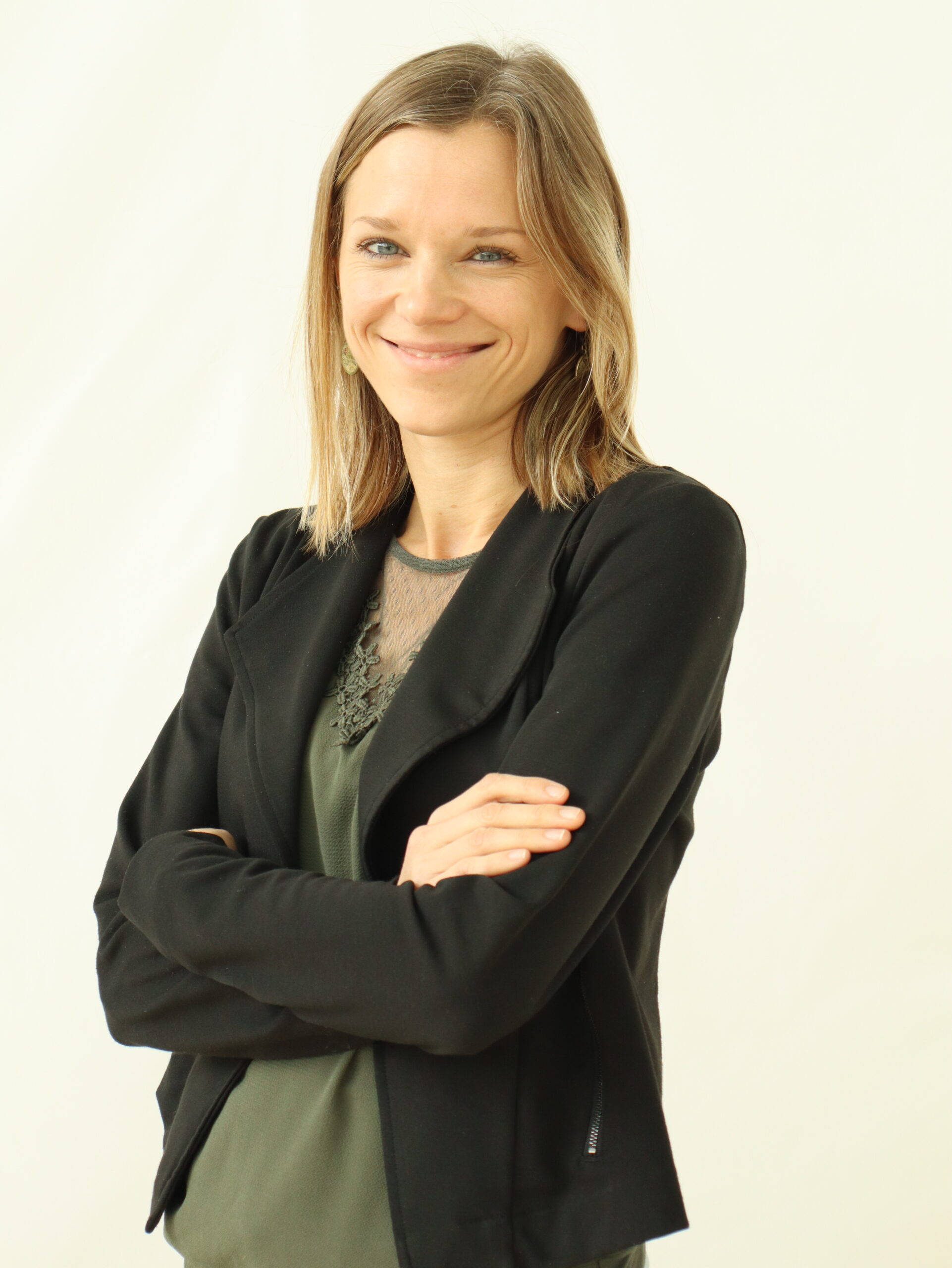
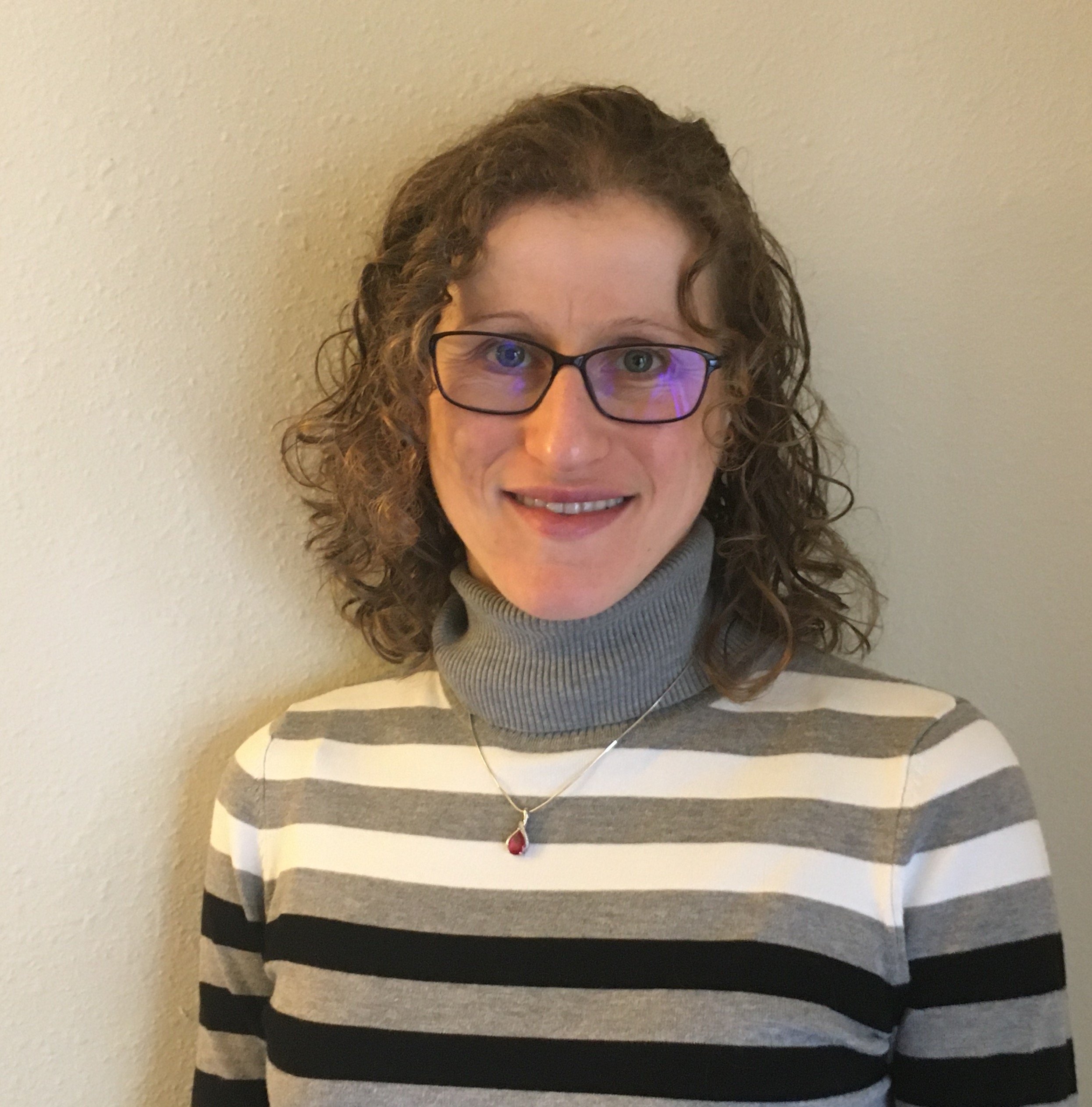
Co-organizers of this year’s AWM Workshop at SIAM/CAIMS: Jamie Haddock and Anna Little

The authors, Jamie Haddock and Anna Little, were invited to co-organize this year’s AWM Workshop after their participation in the 2023 WiSDM workshop at the Institute for Pure and Applied Mathematics (IPAM), and were excited to contribute to this important annual community-building activity.  

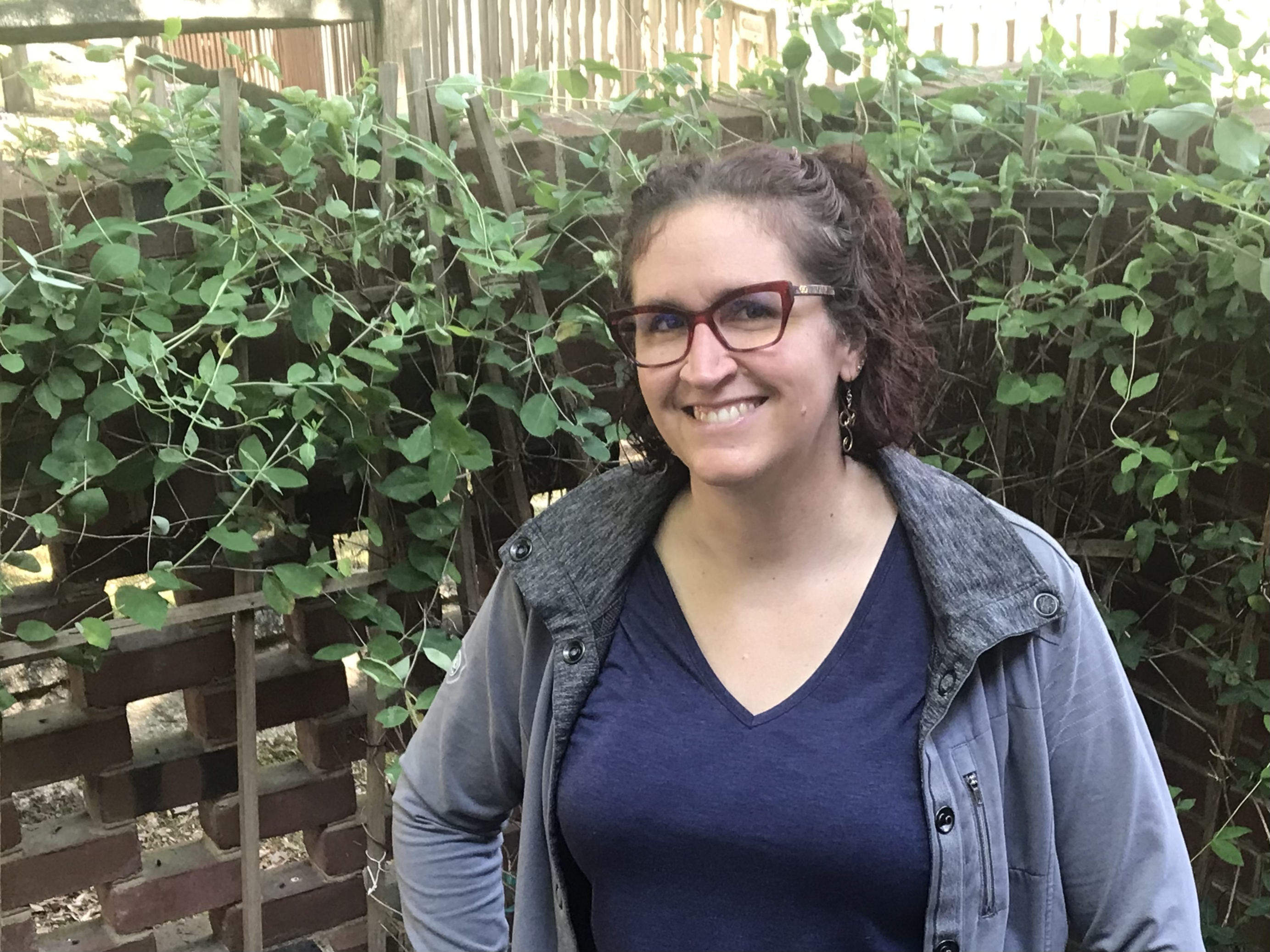
Picture of Jamie Haddock
Jamie Haddock

Jamie is the Iris & Howard Critchell Assistant Professor of Mathematics at Harvey Mudd College.  Her research focuses on data science, optimization, and machine learning, with particular interest in randomized iterative methods.  She is a three-time WiSDM workshop participant – she participated in 2019, was a project co-lead in 2023, and a project lead in 2025.   Additionally, she has been an active member of AWM since graduate school, organizing mentoring and research activities for early-career mathematicians, and is an active member of SIAM, including acting as secretary for the SIAM Activity Group on Data Science and sitting on the Organizing Committee for the SIAM Conference on the Mathematics of Data Science in 2024. 

Anna Little

Anna is an Assistant Professor of Mathematics at the University of Utah and her research interests include geometric and graph-based methods for high-dimensional data analysis and signal processing with group invariant features. She was a participant in both the 2017 and 2019 WiSDM events; the mentorship she received was extremely valuable in helping her establish a strong research trajectory, motivating her to serve as a research group leader at both the 2023 and 2025 WiSDM events. Together, Jamie and Anna sought to bring the collaborative and inclusive spirit of the WiSDM Research Network to the SIAM Annual Meeting.

Activities at the AWM Workshop at SIAM/CAIMS 2025

The AWM Workshop provided an opportunity for community building among participants across career stages and all research areas in applied and computational mathematics, and was comprised of several exciting events: a two-part minisymposium featuring several speakers from the 2023 WiSDM Research Workshop at IPAM, a mentoring luncheon where each student or postdoc participant met with their paired mentor, the AWM–SIAM Sonia Kovalevsky Lecture, a panel discussion with four mathematicians at a variety of career stages, and a minisymposterium in which graduate students and postdoctoral fellows presented their research and received feedback from mentor-judges.  Below, we dive more deeply into the career panel and minisymposterium to give readers a chance to experience what it was like to be at the workshop for themselves!

The career panel at the AWM Workshop was wide-ranging and candid, offering both practical strategies and personal reflections from mathematicians at different career stages. Panelists shared how they approach choosing research directions in data science, emphasizing the importance of reading survey articles broadly, engaging in interdisciplinary conversations, and being willing to pivot when a project stalls. They spoke openly about mentorship and sponsorship, noting that while careers can be built without strong mentors, cultivating a network of advisors and advocates can be transformative, especially in male-dominated spaces. On the ongoing challenge of balancing research, teaching, and service, panelists encouraged participants to practice saying “no” to requests that don’t align with their goals, to prioritize external professional activities that build networks, and to protect their time. They also addressed the stresses of uncertainty in today’s academic job market, urging students and postdocs to focus on what they can control, to build supportive networks, and to remain open to unexpected opportunities. Themes of burnout and imposter syndrome resonated strongly with the audience; panelists reminded participants to seek joy in their work, to accept that careers progress in nonlinear seasons, and to value the unique perspectives they bring to the field. The conversation concluded on an encouraging note: senior panelists underscored the responsibility and opportunity to make a difference “in the room” as one advances in a career, and urged participants to pursue problems, collaborations, and communities that inspire them.

The AWM minisymposterium for graduate students and recent Ph.D. recipients was very successful, and the room was full of exciting research.  The minisymposterium has become one of the most valuable components of the AWM Workshop, particularly for graduate students and postdoctoral researchers. For many participants, it is their first opportunity to present their work in a national forum and to receive feedback from established mathematicians outside of their home institutions. This format not only allows early-career researchers to refine their communication skills and develop confidence in sharing their results, but also fosters one-on-one conversations that often lead to collaborations, invitations to speak, or mentoring relationships. The supportive, constructive environment of the minisymposterium is especially impactful in helping young researchers see themselves as part of the broader applied mathematics community and in validating the significance of their contributions at an early stage in their careers.

The authors are deeply grateful to all who made the 2025 AWM Workshop a success. They found the workshop both energizing and inspiring and felt it was a privilege to help create a space where early-career researchers felt seen and supported, where mid-career mathematicians could share their wisdom, and where the entire AWM–SIAM community could come together.  Jamie and Anna left Montréal with new ideas and a renewed sense of the importance of intentional community building within mathematics. They encourage those interested in data science to join the Women in the Science of Data and Mathematics (WiSDM) Research Network, and hope to see many of you at the next AWM Workshop. 

Get Involved! 

AWM is a network of mathematicians who support women in the mathematical sciences, and all are welcome to join this community! To learn more about how to get involved with research groups, check out the AWM website. Don’t see your research field? Consider starting a network. Do you attend SIAM conferences and are you interested in being a mentor or poster judge? Contact the AWM SIAM Committee chair.  Social change doesn’t just happen, and neither do the programs!

Published on October 29, 2025.
Photo credit header: SIAM

Posted by HMS in Blog
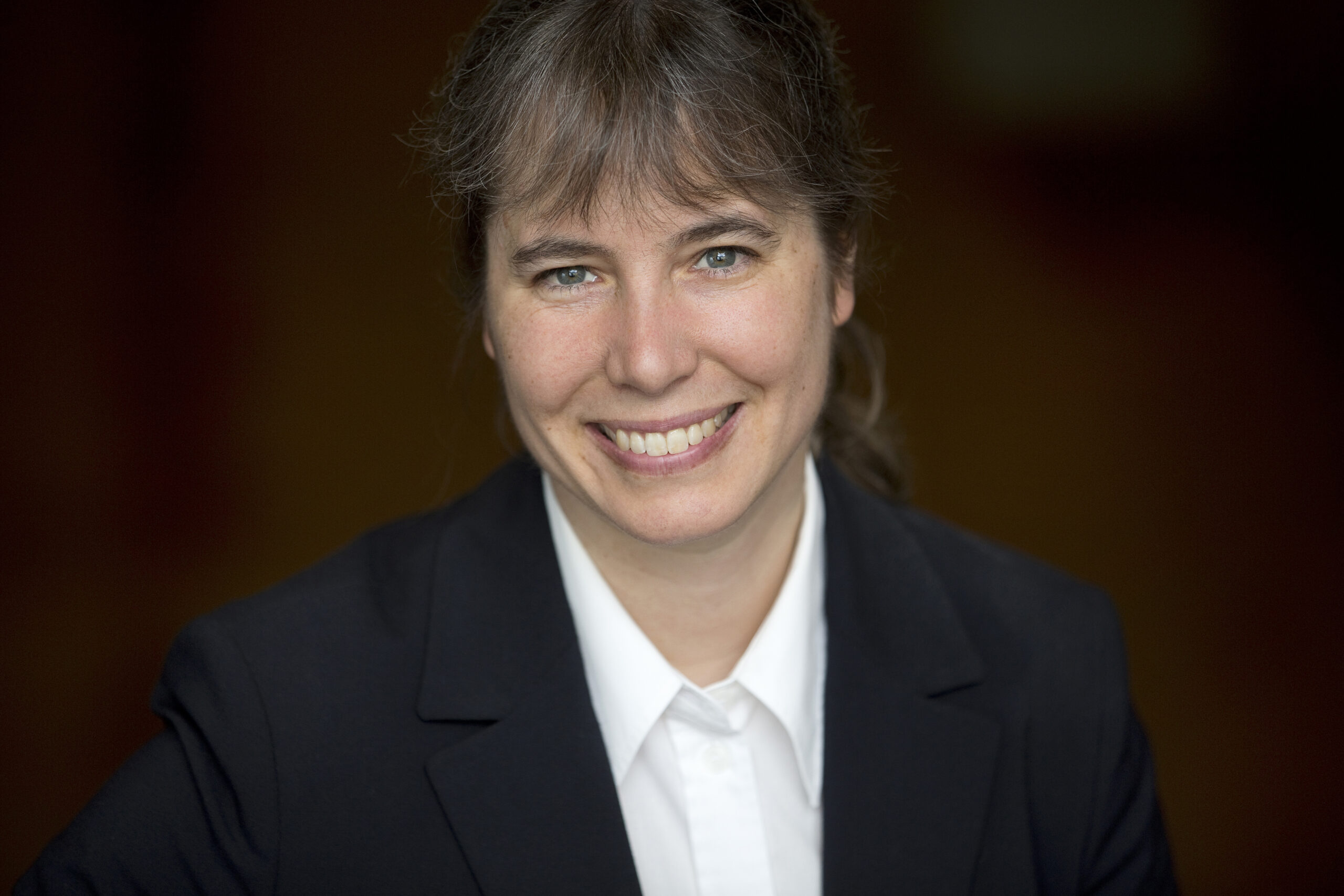
Anna Breger

Anna Breger

Born in Austria • Studied Mathematics and Music • PhD in Applied Mathematics from University of Vienna, Austria • Assistant Research Professor at University of Cambridge

It was the beauty of abstract aesthetics that first drew me to Mathematics. Finding calm and excitement in analytical thinking and mathematical problems, it has always been clear to me that I will study Mathematics at the University.

Being from Austria gives you the huge privilege to obtain great education for free at nearby universities. That is how, right after my final high school exam, I enrolled for my Maths undergraduate studies without even thinking about the future. I still remember very clearly one of my first Math lectures at the University of Vienna. In a room with hundreds of excited and nervous students, the professor took us by surprise: “Look left and look right, most of you won’t make it through the first study term!” Back then I encountered that as a challenge I was happy to participate in, today I wonder how such pedagogical manners could be acceptable.  

The excitement, the frustration, the joy – it felt like training acrobatics of the mind

A competition – that is how it felt the first years of studying and I dearly enjoyed the long hours studying and solving mathematical problems with my amazing colleagues that soon became close friends. The excitement, the frustration, the joy – it felt like training acrobatics of the mind and I embraced the clarity of pure Mathematics, presenting an undefeatable truth. 

What I have not told yet – alongside Mathematics I obtained another degree at a different institution, namely in music pedagogy for violin performance and later also studied early music with baroque violin. (In Austria you cannot obtain two majors or a minor in a different study area; now I think that this system would have fitted me much better.) I did worry a lot that people would not take me seriously either in Maths or in Music when they’d find out, and that is why I kept hiding my respective “second” identity in both communities for a very long time from most people. Luckily, I also met people that inspired me to keep up both interests and I am still very grateful for them. When I received a prestigious research fellowship towards the end of my PhD studies in Mathematics, for the first time I felt strong enough to speak publicly about my two paths. Often, I was asked: “So what will you choose? Maths or Music?” My answer has always been: “Both, of course!” 

Maths and Music gave me the perfect balance to challenge both my analytical and creative skills on an emotional and structural level

Maths and Music gave me the perfect balance to challenge both my analytical and creative skills on an emotional and structural level during my university studies. I could not have gone forward and succeeded in one without the other. Later, both activities gave me such amazing opportunities to travel and meet people, where often it benefitted both my professions! And lastly – this brings me right in the present – eventually I have managed to combine both professions in an interdisciplinary research project that I am now carrying out.

But first, back to my path in Maths! My first undergraduate course in mathematical image processing showed me how enjoyable it can be to visually experience the results of a mathematical solution. I began to love the idea of using mathematics to process or even create a digital image, and the satisfaction to see the result of a successful algorithm (for example to make a noisy image clearer). I kept this excitement and was very grateful to find a supervisor for a Master’s thesis on image analysis – the project even included medical images from a hospital! I had not planned to stay for a PhD, but when I was offered to stay in the research project, I felt excited to deepen my understanding of mathematical image analysis and applications further.

The calm that once gave me comfort in pure Mathematics I now found in the compromises that have to be made in translational research

Soon my passion for interdisciplinary research was released, and gradually I started loving the edginess that comes when applying Mathematics to real-world problems. The calm that once gave me comfort in pure Mathematics I now found in the compromises that have to be made in translational research when trying to bridge theory, application and task-based needs. 

Many little twists and turns have brought me to where I am now and I am absolutely thrilled about my interdisciplinary research project at the University of Cambridge, working on image analysis and historical music manuscripts. Having encountered various obstacles challenging my unusual path, I still would tell my younger self to delve into both passions, and I would advise everyone to stay true to themselves and feel free to go their own personal, individual path. 

Published on October 15, 2025.
Photo credit: Flora Wiederkehr

Posted by HMS in Stories
Kateryna Marynets

Kateryna Marynets

Born in Uzhhorod, Ukraine • Birth year 1988 • Studied Applied Mathematics at Uzhhorod National University in Ukraine • Highest Degree PhD in Differential Equations from Taras Shevchenko National University of Kyiv in Ukraine • Lives in Delft, The Netherlands • Occupation Assistant Professor in Applied Mathematics at Delft Institute of Applied Mathematics, Delft University of Technology

4 countries, 5 languages, and 1 mathematics…

Was it my big dream to pursue a career as a math professor? No, it wasn’t. In fact, when our primary school teacher asked who we wanted to become in the future, I said that I wanted to be a pediatrician. But that was only because my parents are doctors, and my grandmother was leading the children’s department in the hospital at that time. To be honest, medicine has never been my thing—but as a kid, you tend to take on the role models you see around you. And I wasn’t an exception.

Many years have passed, and mathematics and languages have become inseparable parts of my life.

In Ukraine, we say that children inherit the talents of their grandparents. And with my grandparents working in the fields of physics and mathematics, following that logic, I was probably predestined for these directions. Interestingly enough, those were indeed my favorite subjects at school. I really enjoyed solving math puzzles and diving into the laws of physics. I was extremely lucky to have great teachers who recognized my interest and kept me engaged by offering challenging problems—even though my school had a linguistic focus, and the sciences didn’t occupy much of our curriculum. Many years have passed, and mathematics and languages have become inseparable parts of my life. Those seemingly different disciplines have a lot in common: languages help in sharing my mathematical expertise to a multilingual community, and logical thinking, developed through solving mathematical problems, helps in mastering a new language.

Obtaining a PhD brought new opportunities, but it also came with a lot of pressure—pressure to deliver, pressure not to disappoint.

The path to my current position was long and quite “nonlinear”—just like the math problems I work on. In my last year of high school, I seriously considered studying international economic relations, with applied mathematics as a second option. It was the study program where I could combine my passion for mathematics and foreign languages. But in the end, I chose applied mathematics, and I’ve never regretted the decision I made.

After graduation, I was offered a teaching position at my home university, which I combined with enrollment in a doctoral program. I studied boundary value problems for systems of nonlinear differential equations and developed iterative methods for approximating their solutions. It was a great combination of analysis and work with mathematical software—something I still enjoy doing. Back then, I could conduct research at my home institution but had to defend my thesis at a different university. I still remember all those trips to Kyiv, accompanied by my parents, who helped me organize everything…I am incredibly thankful for all their patience and time that they have invested.

Obtaining a PhD brought new opportunities, but it also came with a lot of pressure—pressure to deliver, pressure not to disappoint. Since then, sports has become my first aid when I feel overwhelmed and need to change my focus during the intense periods at work.

[Fractional differential] equations are broadly used in porous media modeling and systems with memory

After graduation, and having 3 languages ‘in my pocket’, I continued teaching at my home university for a couple of years but felt an urgent need for change. I seriously considered switching to industry and even received an offer from an IT company, but something held me back. Around that time, I won an individual grant for a short-term research stay in Slovakia, where I was introduced to a new field—fractional differential equations. These equations are broadly used in porous media modeling and systems with memory. Moreover, they are able to capture more complex dynamics of a physical system in comparison to their integer-order counterparts. Back then it was still a completely unfamiliar topic for me, something I had never worked on before, but it eventually became part of my current research profile.

My time in Bratislava was a period of reflection, and it gave me the motivation to continue pursuing an academic career. I saw many opportunities that European universities offered and started applying for postdocs. Among all the negative responses and unanswered emails, there was one that changed my life. I got a postdoc position in Vienna, which I still consider my biggest achievement to date. It might sound silly but moving from Uzhhorod, that is by the way famous for its Japanese cherry blossom, to join one of the oldest and most prestigious universities in Austria was something I couldn’t have even dreamed of!

Picture of a Japanese cherry blossom

During my postdoc, I explored real-world applications of differential equations by analyzing mathematical models related to ocean and atmospheric circulation

During my postdoc, I explored real-world applications of differential equations by analyzing mathematical models related to ocean and atmospheric circulation. I was fascinated by the opportunity to apply my mathematical training to real-world phenomena, expanding my knowledge beyond purely theoretical research. As time passed and my postdoc was nearing its end, I realized I needed something more permanent. And again, I stood at a crossroads: should I switch to industry and stay in Austria with my partner, or pursue a career in academia but accept the fact that I would likely have to move to a third country within the last three years? I know many couples for whom cross-country moves didn’t work out, and in the meantime I was already fluent in German and had good chances on the Austrian labor market. Luckily, my partner was incredibly supportive, and when I got an offer from TU Delft, he did everything he could to make my decision easier.

And here we are. Five and a half years after moving, I’m now a tenured assistant professor at one of the best universities in the Netherlands, developing my own research line in nonlinear (fractional) differential equations with applications in geosciences, speaking my fifth language, and making future plans with my husband. Time has sorted out everything, and despite all difficulties I feel that I am in the right place.

Of course, at the end of the day it’s all about hard work, determination and family support —but sometimes, it’s also about that one email that changes everything in your life.

Published on April 23, 2025.
Image credit: Kateryna Marynets

Posted by HMS in Stories
Bindi Brook

Bindi Brook

Born in Nairobi, Kenya • Studied Mathematics at the University of Leeds • Highest Degree PhD in Applied Mathematics from the University of Leeds • Lives in the UK • Occupation Professor of Mathematical Medicine and Biology at the University of Nottingham

When I think back to school days, my sense is that I’ve always enjoyed mathematics. But there is one particular memory that is contrary to that. I was around 10 years old and had been finding most of the “maths” we did quite easy. Then some combination of factors (teacher, specific content) brought a sudden loss of confidence. I could not get my head around what we were being taught and I thought that was it – that I did not like maths anymore. My dad decided I was being silly (thankfully) and worked through some examples with me, every night, for about a week. By the end of it, my temporary lack of confidence had gone and ever since then I have really enjoyed some form of maths (here one can read – NOT pure maths). In fact, whenever I couldn’t make a decision about what I wanted to do next (at the end of A-levels, at the end of my undergraduate degree) I just picked the thing I enjoyed the most (maths and then applied maths) and went with it. I come from a South Asian culture where, if you’re considered “able”, you’re expected to study Medicine. That wasn’t for me – I really did not like remembering lots of facts and much preferred the problem-solving needed for studying maths.

(…) I have started to look into the mechanisms that could lead to a rare lung disease called lymphangioleiomyomatosis (LAM) and Long Covid.

In an interesting twist though, in my research career, I have essentially specialised in applying mathematics to biological and medical problems! My PhD was all about understanding what happens to blood flow in collapsible blood vessels like the giraffe jugular vein. In my postdoc I was investigating how to optimise ventilator settings for patients in ICU and then how to deliver inhaled therapies into the lungs. Since then, my focus has been in trying to understand how diseases like Asthma and other respiratory diseases originate and then progress. This involves incorporating biology and physics into mathematical and computational models, using approaches from different areas of applied maths. More recently I have started to look into the mechanisms that could lead to a rare lung disease called lymphangioleiomyomatosis (LAM) and Long Covid.

Although I am now a Professor and have spent much of my working life in academia, I took a somewhat torturous path getting there and could have picked a different route a number of times. Immediately after my PhD I worked for a credit card company, applying statistical models in a somewhat robotic fashion. There was no problem-solving involved and within 3 months I knew I could not stay and 3 months later started a postdoc in Sheffield. Towards the end of my postdoc I had my first daughter and worked part-time to complete it after which I decided I would just take time out to look after her. Two years later I had my second daughter.

Throughout my career, I have had some fantastic mentors (both women and men) who guided me through some tough times. These included workplace bullying and discrimination (as a woman of colour) and I have had to work hard to overcome these hurdles.

When my second daughter was around 2 years old I was starting to consider alternative careers to academia (I felt I had been out of it too long, hadn’t written up my postdoc work into peer-reviewed papers, etc) when I got a phone call from a previous academic colleague from the University of Nottingham asking if I would be interested in covering his teaching part-time, as he was taking a sabbatical. I took up this offer and continued to teach and work part-time until I felt my daughters were old enough for me to consider getting back into research. I applied for and was awarded a fantastic “return-to-research” Daphne Jackson Fellowship which allowed me to restart my research on a part-time basis and also write up some of my postdoc work. I will be eternally grateful for this opportunity, as it allowed me to start my research in asthma, build up a network of collaborators and eventually my first MRC grant. The other most important thing that made all this possible is my amazing, hugely supportive, parents who helped look after my daughters for many years.

Throughout my career, I have had some fantastic mentors (both women and men) who guided me through some tough times. These included workplace bullying and discrimination (as a woman of colour) and I have had to work hard to overcome these hurdles. Unfortunately, these things still exist. More recently (in my case) these have been more in the form of unconscious bias rather than overt. And significant efforts are being made to address these issues in my School. I try to contribute the best I can with these efforts. Nonetheless, it does mean that I regularly have to sit back and ask if it’s worth it. The answer isn’t an easy “yes”, not just for the above reasons but also because of the way higher education is going these days in terms of massive budget cuts and increased bureaucracy. On the positive side, I work with wonderful friends and colleagues, on worthwhile research problems, and great students.

Published on March 26, 2025.

Posted by HMS in Stories
Catherine Micek

Catherine Micek

Born in United States • Studied PhD in Mathematics at University of Minnesota in Minneapolis, United States • Lives in United States • Occupation Data Scientist

Galileo Galilei said “Mathematics is the language with which God has written the universe.” I chose to have a career in mathematics because I wanted to be a “translator” for the language of mathematics. 

The first time I realized that I might enjoy teaching math was when I was in sixth grade.  I was writing up a solution to a pre-algebra problem for a school newspaper article, and I discovered that I loved breaking the problem down into smaller steps that could each be carefully explained. Communicating a logical and precise solution was beautiful to me.

When I went to college, choosing a major was tough because I was curious about many subjects. What drew me towards math during my freshman year was the idea of becoming a college math professor. A career as a math professor would allow me to combine the challenge of solving math problems as well as communicating the results.  Furthermore, the fact that mathematics could be applied to a variety of fields appealed to my widespread curiosity. During college, I studied applications of math to some familiar and loved subjects (such as music) as well as some new and interesting ones (such as computer science). I majored in math and minored in physics and computer science with the goal of pursuing a Ph.D. in applied mathematics upon graduation.

Graduate school was very different from my undergraduate studies. The coursework was more demanding, so I had to improve my study habits, and research required that I develop an entirely new set of skills. The nature of research was very different from the syllabus structure of problem sets and exams in a course. Since my goal was to solve a problem no one had ever solved before, it required a creative and flexible approach, one that emphasized the exploration, experimentation, and steady refinement of ideas.  But perhaps the most important lesson I learned was that there is no single “correct” way to be a mathematician. I saw that fellow students succeeded by developing a process of learning and research that worked for their unique set of talents and interests. I, too, had to develop such a process, even though it was an arduous and intimidating journey, fraught with a lot of trial and error. Ultimately, though, the effort was worth it because it built my self-confidence.

Since my goal was to solve a problem no one had ever solved before, it required a creative and flexible approach, one that emphasized the exploration, experimentation, and steady refinement of ideas.  But perhaps the most important lesson I learned was that there is no single “correct” way to be a mathematician.

At the end of graduate school, I had an unforeseen change of plans. My goal had always been to get a tenure-track job (which is the career track to a permanent academic position in America) at a local school. However, since no local positions were open the year I was graduating, I had to consider the trade-offs between my geographic location and the type of job I wanted. If I didn’t relocate, I would have to broaden my job search to include non-academic jobs (which I didn’t know much about) and temporary academic jobs (which had more uncertainty). It was scary to consider changing my long-held career plans, but I had an established support system of family and friends locally who were an important part of my life. After extensive deliberation, I accepted a two-year faculty position at a local school and began investigating non-academic career paths.  

Luckily for me, jobs in data science were starting to surge around the time I started looking at industrial jobs. Companies were looking to hire employees who understood complex statistical and machine learning algorithms and could write computer code.  Data science was a great fit for my interests and skills – I had a lot of programming experience and was willing to learn whatever additional mathematics I needed for a job – so I began looking for jobs where I could use and further develop my technical skills.  

My first industry job was building statistical models for pricing policies at an insurance company, and from there I segued into data scientist and software developer roles. Although the domains are different and the mathematical techniques I use vary, my jobs generally have consisted of formulating the mathematical problem, writing the code to train the model and implementing the solution, and explaining the results to business stakeholders. I’ve worked as a data scientist at several companies on problems with diverse applications: energy, finance, supply chain, manufacturing, and media.   Although the details of my professional life are different than if I was a math professor – the work is interdisciplinary and team-oriented – I still get to be a “translator” of mathematics. 

Even though my career path has gone differently than I originally planned, I am happy with the unexpected directions it has taken me. Keep in mind that the best career path is not about what the majority is doing or what others advise that you “should” do: it is the path you create for yourself.

Published on March 12, 2025.
Photo credit: Catherine Micek

Posted by HMS in Stories
Anna Ma

Anna Ma

Born in the US • Studied Mathematics at the University of California, Los Angeles • Highest Degree PhD in Computational Science from the Claremont Graduate University • Lives in the US • Occupation Assistant Professor of Mathematics at the University of California, Irvine

When I was a kid, there were lots of things I wanted to be: a lawyer, a teacher, a singer, and even, at one point, a maid (I loved organizing and cleaning as a kid, too!) The thought of being a professor, let alone a professor of mathematics, never crossed my mind. I enjoyed mathematics as a kid but wasn’t the “math wiz” in school. I simply enjoyed it. In other classes, I had to memorize all these seemingly random facts, dates, and names of cell parts and their functions. In math classes, all I needed to do was understand the underlying concept, and I would be able to solve many problems!

My first memory of just the thought of being a mathematics professor came in high school. I joined a class geared towards first-generation college students and presented a project on my dream career as a high school math teacher.

Around middle school, I decided to pursue mathematics as a career. My parents immigrated to the US as refugees during the Vietnam War and worked as nail technicians and factory workers so the only people I knew who “did math” were the math teachers I interacted with at school. Thus, I set my sights on becoming a high school math teacher. My first memory of just the thought of being a mathematics professor came in high school. I joined a class geared towards first-generation college students and presented a project on my dream career as a high school math teacher. One of my classmates turned to me after my presentation and said, “I think you’re aiming too low; I think you should be a math professor.” I told her there was no way I could ever accomplish that, and I left it at that. 

While trying to figure out what other careers existed for mathematicians, I stumbled upon Applied Mathematics and research: the wonderful world of creating new and exciting mathematics for real-world applications. [..] From there, I was hooked. 

In college, I began taking math classes beyond calculus: logic, analysis, algebra, combinatorics, and numerical analysis. Logic and Numerical Analysis were two of my favorite courses, and it occurred to me that if I were a high school math teacher, I’d never have the opportunity to “do numerical analysis” again. (Was I being a little dramatic? Yes. But did I know what I wanted? Also, yes!) While trying to figure out what other careers existed for mathematicians, I stumbled upon Applied Mathematics and research: the wonderful world of creating new and exciting mathematics for real-world applications. My first research project was to help develop an algorithm for the Los Angeles Police Department to clean reporting data automatically. Next, I worked on a project analyzing Twitter (now called X) data to categorize Tweets automatically into content-based topics that did not rely on keyword searches. From there, I was hooked. 

In college and grade school, it was difficult to see how intertwined mathematics was with the world around us. Through these projects, I began to see mathematics and the world through a new lens.  The realization that mathematical concepts and theory could directly impact and improve real-world problems is inspiring, and this shift in perspective not only enhanced my appreciation for mathematics but also fueled my passion for pursuing further research and applications that bridge theory with practice. 

In academia, you raise the next generation of mathematicians, discover and create new mathematics, and serve the scientific community and beyond.

Working in academia is an incredibly unique opportunity. In academia, you raise the next generation of mathematicians, discover and create new mathematics, and serve the scientific community and beyond. At the same time, academia can be really difficult because everyone has opinions about what you should and shouldn’t be doing and how you should and shouldn’t be spending your time. Early on, I decided I would do what made me happy. If that wasn’t enough for academia, then I wouldn’t be happy doing it anyway. There really is no other job like it in the world. Currently, I am working with multiple graduate students, recruiting new students for an undergraduate research project, writing proposals, and writing manuscripts to introduce new and improved algorithms and theorems to the mathematics community. One of the most surprising things I’ve discovered about this career is how much traveling I get to do. Every year, there is typically at least one international trip (Paris, France last year for the SIAM Applied Linear Algebra conference!) and a few domestic trips for conferences, visiting collaborators, and presenting research at other universities and research institutions. My day-to-day life in my career is never the same, which makes the work and life very exciting. 

Published on February 26, 2025.

Posted by HMS in Stories
Michelle Snider

Michelle Snider

Studied Physics & Mathematics at Smith College, Northampton MA, and Mathematics at the University of California San Diego, CA USA and at Cornell University, Ithaca, NY USA • Highest Degree: PhD in Mathematics • Lives in United States • Occupation: Senior Data Analyst at SRT Labs and Adjunct Research Staff Member at Center for Computing Sciences, Institute for Defense Analyses

I was always interested in math and science, maybe because I was just good at it. I chose to go to a women’s college because even at the high school level, I had been the only girl in the class, and experienced some unhealthy dynamics that can occur in a gender-imbalanced environment. Finishing my double major in Math and Physics in an enthusiastic and supportive environment, I decided I was happy to keep learning for the sake of learning, so I started applying to graduate school. 

I went to the University of California, San Diego because they had big math and applied math departments, and since I didn’t have a specific area of focus yet, this would give me lots of options. Two years in, I realized I had not narrowed down the list of mathematical topics I was interested in so much as the list of professors I was not interested in working with. I set up meetings with potential advisors across the departments, who did work in numerical analysis, representation theory, combinatorics, and even math education research. Rather than giving me an impromptu lecture, one professor spent 5 minutes setting up a problem, then handed me the chalk and said “Go up to the board and work out an example.” I thought to myself, I guess I’m an algebraic combinatorialist now!

My specific expertise seemed to be less relevant than my willingness and ability to jump into new research areas and tackle hard problems.

Six years and a cross-country move later, I finished my PhD. I had determined that I didn’t want to pursue an academic track, but with such a pure math background, I wasn’t sure what other options I would even have. That is, in academia, it is quite common that you have no idea what else to do except be an academic because no pure math professor I have met has ever done anything other than be a pure math professor. While I had a wonderful opportunity learning how to think mathematically, I had no guidance about how to transition my research to real life. After sending my resume to companies and national labs across the spectrum of options, I landed an interview at the Center for Computing Sciences in Maryland, a federally-funded research and development center, where the organizational ethos seemed to be to hire a bunch of smart people and remove all the administrative distractions so they can just focus on solving hard problems for the US government. The people I met at my interview were excited about their work, but also had interesting hobbies and work-life balance. My specific expertise seemed to be less relevant than my willingness and ability to jump into new research areas and tackle hard problems.

The AWM is a community of mathematicians from around the world who care about building up a network to help us all succeed and I love being a part of it.

Along the way, I had an opportunity to join the Association for Women in Mathematics (AWM) on a day trip to the US Capitol in Washington, DC, to meet with the offices of elected officials and advocate for supporting underrepresented minorities in STEM.  The AWM is a community of mathematicians from around the world who care about building up a network to help us all succeed and I love being a part of it.  These visits give us a chance to let our voices be heard, and to bring awareness to the importance of STEM across society—many politicians have never met a mathematician before, and we had the chance to try to counter some of the stereotyped images in the media. I met an amazing group of mathematicians, and before I knew it, I was the one organizing these Capitol Hill visits, then serving on several committees. 

A few years ago, an opportunity came up to work with a small technology company with a great company culture. My job title is Senior Data Analyst, but again I was hired not for specific expertise but for my flexibility in taking on new challenges. I get to work across a broad swath of the company, talking to clients, designing solutions, and yes, analyzing some data along the way. I love being able to apply mathematical thinking to problems perhaps not thought of as classical mathematical problems, like how to help universities save energy by connecting their air conditioning system to their class scheduling system.

I could not have predicted the path that I’ve been on, and certainly would never say that I had a plan all along. I am happy to do lots of different things, but it matters a lot to me who I spend my time with. Picking each step based on the people I enjoy spending time with seems to be working just fine so far. 

Published on October 16, 2024.

Posted by HMS in Stories
Mónica D. Morales-Hernández

Mónica D. Morales-Hernández

Born in Nuevo Leon, Mexico • Birth year 1989 Studied Applied Mathematics at UAA in Mexico • Highest Degree Master of Science in Mathematical Sciences from Clemson University, USA • Lives in New York, USA • Occupation Assistant Teaching Professor

I am an applied mathematician and educator now, but that wasn’t my initial goal. I originally aspired to be a physicist. Since my university didn’t have a physics major, I decided to pursue mathematics instead.

The field [of computational mathematics] is dominated by white male mathematicians, which means female faculty and underrepresented groups often face sexism and discrimination.

While pursuing my undergraduate and graduate studies in Mexico, I had the chance to do research using numerical methods to model bacterial growth. During my time at Clemson University, working on my Master’s degree in Computational Mathematics, I had the chance to dive into some fascinating projects. One of the highlights was working with something called the Leray alpha model, which is a regularization of the Navier-Stokes equations that has shown effectiveness in numerical simulations of turbulent and complex flows. Working on this project holds a special meaning for me. It was not only the first research project I worked on in the United States, but it also involved a type of mathematics (Finite Element Method) that I had not had access to in Mexico, and it was a physics problem, which fulfilled my dream of becoming a physicist.

Computational mathematics is not easily accessible to everyone. The field is dominated by white male mathematicians, which means female faculty and underrepresented groups often face sexism and discrimination. Additionally, it is an expensive field, with the cost of software, books, and conferences creating barriers for people trying to access this knowledge.

(…) My students have used their knowledge to model the oil spill in the Gulf of Mexico, analyze income inequality in New York City using the Gini coefficient, and determine appropriate drug dosages (…).

Due to these challenges, I have been advocating for greater access to information and knowledge. As an educator, I truly believe that mathematics is a skill that can be developed if you practice and are given the correct resources. This belief has guided my approach to teaching, where I’ve made a conscious effort to integrate practical applications and research components into traditional coursework. In courses like Calculus 2 and Linear Algebra, I have incorporated a research component where students tackle real-life problems, with a special emphasis on social justice issues. This innovative approach allows students to apply mathematical techniques learned in class and numerical methods to address significant societal challenges.

For instance, my students have used their knowledge to model the oil spill in the Gulf of Mexico, analyze income inequality in New York City using the Gini coefficient, and determine appropriate drug dosages, among other projects. These projects not only deepen their understanding of mathematical concepts but also highlight how mathematics can be a powerful tool for analyzing and solving real-world problems. By exploring the intersection of social justice and mathematics, students gain a broader perspective on how their skills can contribute to meaningful change in society.

The [EvenQuads card] decks pay tribute to notable women mathematicians and can be used to play various mathematical games.

As a woman of color, sexism and racism have been a challenging part of my academic journey. These experiences have motivated me to work towards making the math world a better place for women and other minorities. My passion for this cause led me to volunteer at the Association for Women in Mathematics, where I strive to create a more inclusive environment for underrepresented groups. I am a member of the EvenQuads Committee and currently serve as the Chair of the Student Chapters Committee. The EvenQuads card decks is a project created to celebrate the 50th anniversary of the Association for Women in Mathematics. The decks pay tribute to notable women mathematicians and can be used to play various mathematical games. These cards acknowledge the significant, yet frequently overlooked, contributions of women to mathematics in research, education, and industry.

Through these combined efforts in my research, teaching and advocacy, my goal is to ensure that the field of mathematics is accessible and welcoming to everyone, regardless of their background.

Published on September 4, 2024.

Posted by HMS in Stories
Robyn Shuttleworth

Robyn Shuttleworth

Born in Melrose, Scotland • Birth year 1993 Studied Mathematics at University of Dundee, Scotland • Highest Degree Ph.D. in Applied Mathematics • Lives in Redwood City, California • Occupation Scientist II, Altos Labs

I wasn’t very sure what I wanted to study at university when I was in high school, I just knew for sure that I wasn’t finished with education. I really loved mathematics and biology, so it turned into a battle of the sciences. I went to one university visit (the one I happened to attend!) and toured both departments. The head of the math department started his presentation with “…mathematics graduates earn on average 10% more than any other graduate”. This one statement sealed it for me, and I decided to pursue a degree in Applied Mathematics. My reasons for pursuing mathematics came from quite a shallow and impulsive place, but I’ve grown to learn that that’s okay and you can’t always choose what motivates you. Assuming studying mathematics meant I would be working with numbers for the rest of my life, I imagined myself being an accountant or an actuary and I decided to take courses in business and accountancy in my first few years at university. Whilst this was okay, it didn’t enthrall me the way I had hoped. Fortunately, towards the final year of my bachelor’s degree, I joined a team of scientists in developing genetically engineered detection strategies for cystic fibrosis patients (very different from the classes in accountancy I had previously envisioned being my future). I was excited by the ways I could contribute as a mathematician, and it brought me back to my love of biology. Soon after, in my final year of undergrad, I chose my honors project in glioblastoma modeling. I learned so much about tumor growth and treatment strategies, and I knew this was only the beginning of my journey in mathematical biology. So, when the opportunity arose to pursue a Ph.D. in cancer research, I pushed hard for funding, and one month after graduating, I started reading papers for my Ph.D. in multiscale modeling of cancer progression. I developed mathematical models to describe how tumor cells interact with their microenvironment and explored the mechanisms used to invade the surrounding tissue. Throughout my Ph.D. I attended lots of conferences which gave me plenty of opportunity to present my work and I made lots of great connections. Networking with other scientists was one of the best parts of my graduate studies and I still maintain many of these relationships today.

I was excited by the ways I could contribute as a mathematician, and it brought me back to my love of biology.

I found my Ph.D., for the most part, very enjoyable. I loved the challenges that came with researching a new area and the undeniable feeling of success when you got some exciting new results, or you finally managed to debug your code! Alongside this elation, I did find some of my time difficult, but I must admit that those grievances have been mostly forgotten and feel like a distant memory. It was so important to me to have a strong support system, and I cherished my evenings and weekends with family and friends. Taking time for myself and detaching from the research helped keep me sane and motivated throughout my studies.

After three and a half years in my Ph.D., I was ready to move onto the next stage of my career. I set my sights on finding a Postdoc position, with only two stipulations; it had to be in the field of mathematical biology, and it had to be outside of the UK (another example of my unconventional motivation). With this in mind, I found a position at the University of Saskatchewan in the field of Cryobiology. I loved learning new math modeling techniques to apply to cryopreservation processes and I found that I was able to use a lot of my previous knowledge in this field. Although this switch in fields presented me with the challenge of effectively starting over and requiring a ton of reading (and auditing undergrad biology classes!), it was extremely fulfilling to use math models to predict the optimal experimental conditions for successful cryopreservation.

Fast forward three years, and I found myself in a familiar position: loving what I currently do, but ready to explore a new field and further develop my knowledge and skills. I had always envisioned myself in academia, however, through a chance encounter on social media, I came into a position within industry in the field of cellular rejuvenation. I now build mathematical models of cellular reprogramming and rejuvenation processes to help us understand what makes us, and our cells, “healthy”.

I had always envisioned myself in academia, however, through a chance encounter on social media, I came into a position within industry in the field of cellular rejuvenation.

I’ve consistently changed fields throughout my career, and I have learned something different from each of them that I carry with me to the next. The opportunities I have had are some of the most worthwhile and rewarding roles and ones I have immensely enjoyed. Whether I am investigating how tumors grow, finding the optimal way to freeze and store an organ, or helping us age gracefully, I would not wish to be anywhere else but at this forefront of scientific discovery and advancement.

Published on September 13, 2023.

Posted by HMS in Stories
Gitta Kutyniok

Gitta Kutyniok

Born in Bielefeld, Germany • Birth year 1972 · Studied Mathematics and Computer Science at University of Paderborn in Germany • Highest Degree Habilitation in Mathematics • Lives in Munich, Germany • Occupation Professor for Mathematical Foundations of Artificial Intelligence

I had never planned to become a professor of mathematics, and if someone had told me when I was young, I would have said: This is impossible. Due to my excitement for mathematics in school and the fact that my mother and my grandfather were both teachers, I first wanted to become a high school teacher myself. And this is how I then started my studies, choosing computer science as a minor. Although the change from high school mathematics to university mathematics was difficult and required a lot of hard work, I enjoyed my studies very much. I however could not get excited about didactics for high school teaching, hence I switched to diploma studies in mathematics. And since at the University of Paderborn, it was quite easy to pursue a diploma in computer science at the same time, I enrolled in this as well.

(…) In retrospect, this period trained me to follow my own path and be very independent.

In my last year, a professor working in abstract harmonic analysis approached me with an offer for a Ph.D. position. I was hesitant about whether this was the right career path for me. Eventually, I accepted the offer but quickly realized that not pure mathematics was my passion but applied mathematics. Hence, in agreement with my supervisor, I chose a more applied topic and got assigned a second supervisor in Munich. This arrangement was not optimal. However, in retrospect, this period trained me to follow my own path and be very independent.

One of the reviewers of my Ph.D. thesis then offered me a position as a Visiting Assistant Professor at the Georgia Institute of Technology. Since I was hesitant about what to do next, I embraced this opportunity, taking it as a chance to see whether I am good enough for continuing as a post-doc. My time as a Visiting Assistant Professor was again hard, since I had never taught a course before, and I now even needed to teach in English. But research-wise a whole new world opened to me; having now collaborators with similar interests as myself, namely the area of applied and computational harmonic analysis. I then spent another year in the US with a research fellowship at both Washington University in St. Louis and again at the Georgia Institute of Technology. It was a very productive time for me, leading to a Habilitation in Mathematics at the University of Giessen in Germany.

I overcame my shyness and approached [some professors in the US whose work I had always admired] for an invitation (…).

Due to the uncertainty of obtaining a professor position in Germany, I applied for a Heisenberg Fellowship from the German Research Foundation to visit some professors in the US, whose work I had always admired. I overcame my shyness and approached them for an invitation and eventually got the amazing chance to visit first Princeton University, then Stanford University, and finally, Yale University, learning about new research areas such as compressed sensing.

Returning to Germany, I started as a full professor at the University of Osnabrück. This was a very fulfilling experience, and I loved building up my own research group. However, it was a very small department, and finding good students was hard, and I soon started looking for other positions.

I was again lucky and was offered an Einstein Chair at the Technical University of Berlin. Soon after, the advent of deep learning started and affected my research area significantly. I decided to embrace this paradigm shift and delve research-wise into artificial intelligence. Looking back, this was one of the best decisions in my life.

For the first time, I am now not the only female professor in my department.

This might have also led to a personal offer from Ludwig-Maximilians-Universität München for a Bavarian AI Chair for Mathematical Foundations of Artificial Intelligence, which I was surprised and delighted to receive. Due to the excellent conditions for AI research in Munich and Bavaria, I accepted the offer and moved to Munich. For the first time, I am now not the only female professor in my department. In fact, I have several wonderful female colleagues, which is an entirely new experience for me.

In general, I learned in my career that one should be open to opportunities, as they often arise unexpectedly, and also not be shy to approach colleagues for advice and help. If you ask whether being a woman has impacted me in my career, I have to say that the first time I realized that one is treated differently was when I became a professor. As committee meetings increased, I learned the hard way that men do not behave better or worse, but just differently. Looking back, a course on gender-specific behaviors in professional environments, as it is, in fact, custom for higher positions in industry, would have helped significantly.  On the other hand, I also had and still have several amazing male colleagues who support me tremendously, also with advice, and I am deeply grateful to them.

Published on July 12, 2023.

Posted by HMS in Stories
Christina Schenk

Christina Schenk

Born in Wittlich, Germany • Birth Year 1986Studied (Applied) Mathematics at Trier University, GermanyHighest degree PhD in MathematicsLives in Madrid, SpainOccupation Postdoctoral Research Associate

Honestly, I do not really know when my passion for science, and in particular math first manifested itself. But from my experience, I can definitely say that being surrounded by the right people and mentors plays a big role in continuing in this direction and not steering towards following one of your other passions.

[..] in all of the career options that I tried, I was missing the logical and structured thinking and the challenges that math brings along.

My favorite subjects in high school had always been math and languages. It was after high school that I was thinking about combining the two subjects but I did not see myself becoming an elementary, middle, or high school teacher which probably would have been a natural choice. I tried several other options realizing internships and applying for study programs but in the end in all of the career options that I tried, I was missing the logical and structured thinking and the challenges that math brings along. It was after a gap year in Australia that I remembered one of my math middle school teachers telling me that I would be the right person to study math. Despite not agreeing with him at that point in time, in the end, I decided to give it a try. I went from a Bachelor’s to a Master’s to a Ph.D. degree in (applied) mathematics.

[..] I am very grateful for my choice as it allows me to not just learn more within my discipline but also about many others.

On the way, I kept learning languages and following my other interests especially learning more about other cultures and getting to know more of the world. After my Ph.D., I decided to go to the US for a postdoc where I stayed for about two years. Then I moved to Bilbao, Spain for another postdoctoral position. After almost two years there, I decided to stay in Spain and move to Madrid. This is what brought me to my current position. Currently, I am a postdoctoral research associate at IMDEA Materials. Here, I mainly develop models and algorithms for the acceleration of materials discovery for finding materials alternatives that are for example more sustainable. This means for instance that they are more inspired from nature, less toxic and do not deplete important limited resources. Having a background in applied mathematics, over the last 10 years I have had the opportunity to apply my mathematical knowledge in many areas reaching from cardiovascular stent design to optimization of fermentation processes to modeling cell metabolism to control of disease transmission dynamics to materials discovery. Looking back at my career decision, I think I would have been happy with studying computer science or engineering as well but it definitely had to be a science subject and I am very grateful for my choice as it allows me to not just learn more within my discipline but also about many others.

An academic research career can bring along a lot of frustration, uncertainty, and not always supportive environments but enjoying the process of learning from every experience, having the opportunity to make the world a better place, and following your passion make it worthwhile.

There have been tough phases and I definitely cannot say that I have never thought about switching careers. But I think that I have always enjoyed the challenges that my career path has brought along, maybe not always at the moment but overall, I believe that from facing challenges you learn the most. An academic research career can bring along a lot of frustration, uncertainty, and not always supportive environments but enjoying the process of learning from every experience, having the opportunity to make the world a better place, and following your passion make it worthwhile. Mentorship programs can give a lot of support on the way to keep you focused on your path and dealing with many of the given challenges. I am definitely very grateful for those mentors along the way that supported me and encouraged me to follow my passions.

If I had the opportunity to talk to my 20-year-old self, I would have told her: “Never regret anything, be grateful for the good things that every decision brought along, follow your passions, hold on to your core values, do not let your fears rule you and most importantly enjoy the process and live in the moment without holding on to the past or having fears about the future. You do not choose your destiny but you choose your company. You will find your way. Do not get lost in too much work, there are also other important things in life and remember success is one thing but you do not want to die one-day having regrets, such as not having shown enough care for your beloved ones and not having followed your other dreams and passions.”

Published on March 15, 2023.

Posted by HMS in Stories
Anna Konstorum

Anna Konstorum

Studied Biology/Bioinformatics at McGill University, Canada, and University of California, Los Angeles, USA, and Mathematics at University of California, Irvine, USA • Highest Degree PhD in Mathematics • Lives in United States • Occupation Research Staff Member at Center for Computing Sciences, Institute for Defense Analyses

I came to applied mathematics slowly, and circuitously – but sometimes that makes for the best stories. When I was young, I fell in love with the complexity of biological processes, and thus I chose to study biology for my BSc. My grandmother was a math teacher and I have fond memories of us playing all sorts of educational math games growing up, which instilled in me a joyful, non-competitive view of math. But I never saw myself as a mathematician, it was just something I enjoyed ‘on the side’.

I sat there in complete astonishment of the beauty and power of math to describe a world that I had realized I had always wanted to see in a mathematical light.

It was only when doing my Master’s, when I took a course focused on using dynamical systems to study the life sciences, that I came to see that mathematics needed to be more than a hobby for me. I sat there in complete astonishment of the beauty and power of math to describe a world that I had realized I had always wanted to see in a mathematical light. And, I felt then, everything clicked. That my love for math and complex systems such as biology were not separate, but actually completely intertwined. It was this realization that led me to do my PhD in mathematics. I performed research modeling interactions of growing tumors with their microenvironment and took classes in a wide range of mathematical subdisciplines. It was very difficult as I knew I had less experience with mathematics than many of my peers, but I also had complementary skills in working on real-world scientific problems, which gave me a unique vantage point to think about the methods I was studying. When I kept my focus on the subject matter, I knew I was where I needed to be. It was one of the hardest, but most rewarding experiences in my life.

I work at the interface of data science and applied mathematics to help address challenging problem sets in national security, and more generally in the computational and data science realms.

Something you come to understand by taking a strong pivot, is that both you and the world have the capacity to honor a new stage in your life and career, especially if you approach the challenge thoughtfully and creatively. I had come to understand that for me, the next stage that I wanted to reach was to expand my applied mathematics capabilities to new domains in addition to the life sciences. And, really, I was ready! Studying the life sciences from a mathematical perspective prepares you to handle a variety of complex data problems. The field is full of extremely noisy data – but data that has, if you chip at it long enough, fascinating patterns and meaning underneath the noise. I now get to do just that as a Research Staff Member at the Center for Computing Sciences, Institute for Defense Analyses (CCS/IDA). I work at the interface of data science and applied mathematics to help address challenging problem sets in national security, and more generally in the computational and data science realms. I’ve used approaches ranging from applied dynamical systems (PDEs and ODEs) to, more recently, unsupervised learning methods employing matrix- and tensor-decomposition frameworks. I also hold an adjunct faculty role in the Laboratory for Systems Medicine at the University of Florida, which allows me to continue to collaborate on projects in mathematical and systems biology.

I wish I had known to take advantage of all [professional societies] have to offer earlier in my career.

What I’ve come to realize is that your unique interests and capabilities, even when they may not fit easily into a clear label, do have a place in this world where they will be valued. My background in mathematical biology has given me a unique perspective on the challenges I face in my current role, both from a mathematical and applied sense. And it makes for some fun intersectional research.

Finally, I’d like to make a quick shout-out to the power of professional societies. I wish I had known to take advantage of all they have to offer earlier in my career. Societies like the American Mathematical Society (AMS), Society for Industrial and Applied Mathematics (SIAM), Association for Women in Mathematics (AWM), and Society for Mathematical Biology (SMB) all provide opportunities to network via conferences and meetings, and to learn more about opportunities in and outside of academia utilizing the skills you learn. You don’t need a minimum degree to join – just an interest to connect with like-minded researchers.

Published on March 1, 2023.

Posted by HMS in Stories